

















Mastering the Tracks in the Classic 2d Car Game
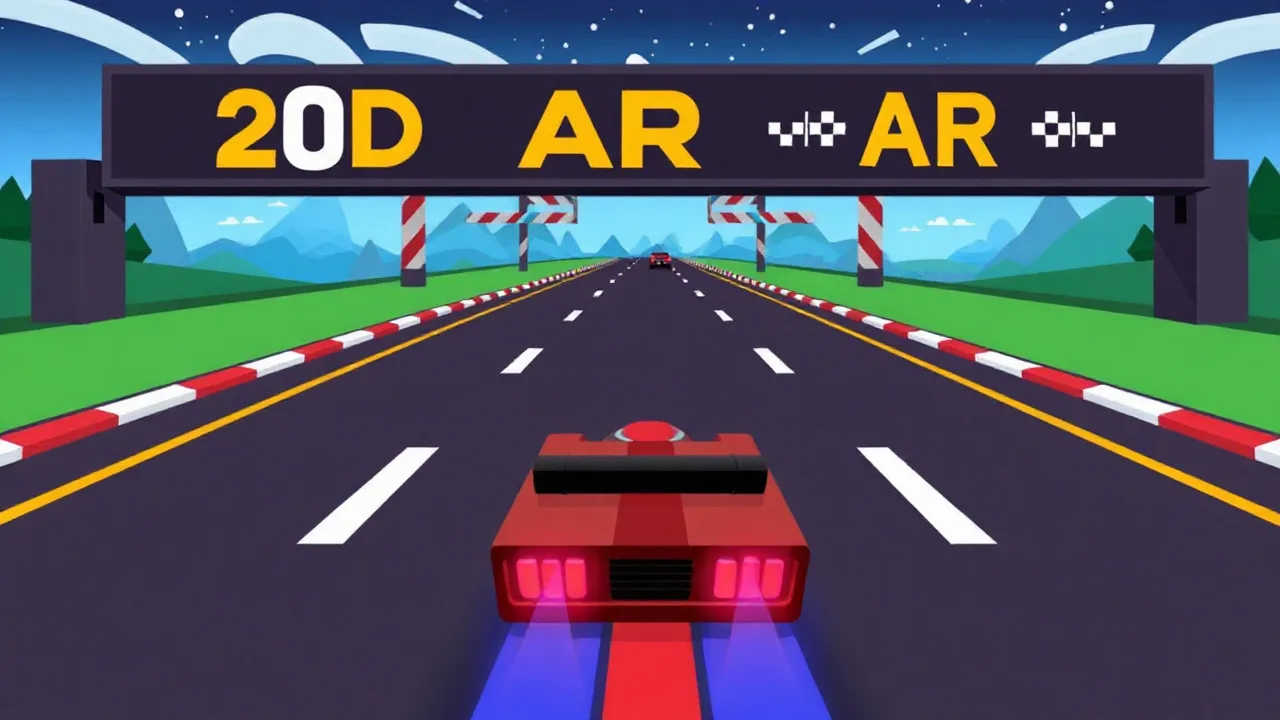
Step into a world of fast-paced reflexes and nostalgic fun with the 2d car game, a classic arcade experience that challenges your driving skills and reaction times. This guide explores everything you need to know about mastering the tracks, from understanding the core mechanics to optimizing your gameplay for high scores. Whether you are a seasoned gamer looking for a quick thrill or a newcomer seeking an accessible challenge, this title offers endless entertainment through its simple yet addictive loop.
There is a timeless charm to retro-style racing that modern 3D graphics often struggle to replicate. The 2d car game strips away complex physics and realistic weather systems to focus purely on the joy of movement and timing. In this genre, the visual perspective is flattened, allowing players to see the road ahead in a way that emphasizes pattern recognition over spatial navigation. The bright colors, distinct sprites, and immediate feedback loops create an environment where you can instantly tell if you are succeeding or failing. This accessibility makes it a perfect pick-up-and-play option for casual sessions, while the increasing difficulty ensures that even hardcore enthusiasts remain engaged.
Core Gameplay Mechanics Explained
At its heart, this arcade title relies on two fundamental actions: moving laterally and maintaining speed. You will typically navigate a vehicle through an endless stream of traffic or obstacles, requiring split-second decisions to avoid collisions. The controls are intentionally streamlined, often requiring only a few keys or touch inputs, which lowers the barrier to entry. However, mastering the subtle hitboxes and the momentum of your vehicle takes practice. You must learn to anticipate the movement patterns of other cars and obstacles, weaving through tight gaps that seem impossible at first glance. The game rewards consistency; surviving for long periods is often more valuable than taking risky shortcuts.
Essential Strategies for High Scores
Achieving a top spot on the leaderboard requires more than just luck. Successful players develop a rhythm, treating the gameplay almost like a musical beat. It is crucial to keep your eyes focused slightly ahead of your current position rather than staring directly at your vehicle. This allows your brain to process upcoming hazards sooner. Additionally, understanding the spawn rates of obstacles can help you predict safe zones. Some players prefer a defensive driving style, sticking to the center of the lane to maximize reaction time on either side, while aggressive drivers might weave constantly to cover more ground. Finding the balance between these styles is key to long-term survival.
Quick Reference Game Details
| Feature | Details |
|---|---|
| Gameplay Style | Endless Arcade Runner |
| Primary Controls | Lateral Movement / Swipe or Arrow Keys |
| Session Pace | Fast and Intense |
| Device Fit | Mobile and Desktop Friendly |
| Category Match | Classic Arcade Racing |
Why Simplicity Wins in 2D Racing
In an era of hyper-realistic simulations, the 2d car game proves that gameplay is king. The lack of complex setup menus or lengthy tutorials means you are racing within seconds of loading the page. This immediacy is a hallmark of the arcade genre. The difficulty curve is usually steep but fair, allowing you to learn from mistakes quickly. Because the graphics are stylized and abstract, the game runs smoothly on almost any device, ensuring a lag-free experience that is critical for reaction-based challenges. This technical efficiency allows the developers to focus on level design and obstacle variety, keeping the experience fresh even after multiple sessions.
Visuals and Audio Atmosphere
The aesthetic of this title is a love letter to the 8-bit and 16-bit eras. Pixel art vehicles and vibrant road textures create a visually popping experience that is easy on the eyes. The sound design complements this perfectly, often featuring chiptune music or synthesized engine hums that heighten the sense of speed without becoming repetitive. Visual cues, such as flashing lights on incoming obstacles or color changes in the background, serve as important gameplay indicators. Learning to associate these audio-visual signals with specific hazards can significantly improve your reaction time, turning sensory inputs into subconscious reflexes.
Maximizing Your Play Sessions
To get the most out of every run, ensure you are playing in an environment free from distractions. Since the game requires intense focus, even a small interruption can end a high-scoring run. Many players find it helpful to take short breaks between intense sessions to reset their reflexes. Experimenting with different control schemes, such as switching between keyboard and mouse or touch controls, might also reveal a method that feels more natural to your playstyle. Remember that patience is a virtue in arcade racing; the scores will naturally improve as your muscle memory develops over time.
Frequently Asked Questions
Is this game difficult for beginners?
While the controls are simple, the game is designed to be challenging. Beginners will likely crash early on, but the intuitive mechanics make it easy to jump back in and try again immediately.
Can I play this on mobile devices?
Yes, the 2d car game is optimized for both desktop and mobile browsers. The touch controls are responsive and designed specifically for smartphone screens.
Are there different levels?
Most versions of this arcade style feature an endless mode where the difficulty progressively increases. The speed of the game and the density of obstacles will ramp up the longer you survive.
Does the game save my progress?
High scores are typically saved locally on your browser or device. However, since it is an arcade style, the primary goal is beating your own best score rather than unlocking new content.