















Mastering Car Driving and Parking School Skills
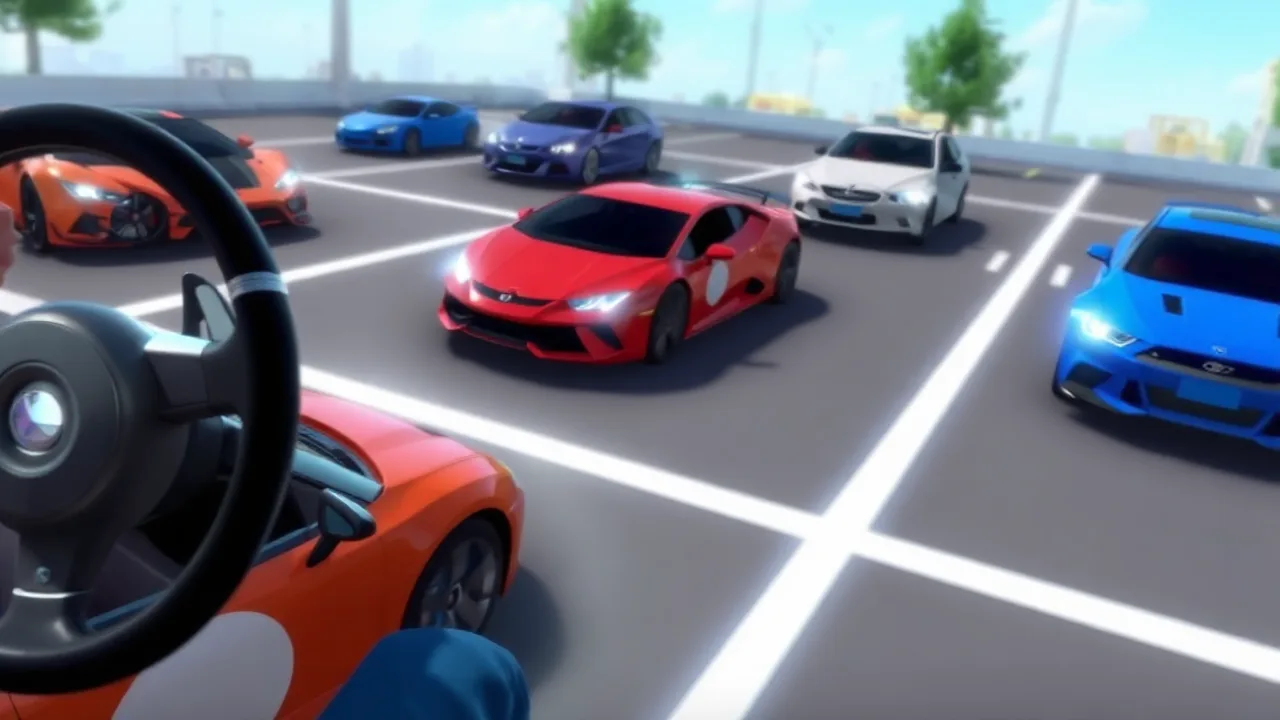
Sharpen your reflexes and learn precision behind the wheel with this focused driving challenge that blends throttle control with careful maneuvering. This guide walks through the essentials of handling, positioning, and scoring while helping you build confidence behind the virtual wheel so you can master each stage with smooth, controlled inputs.
This keyword page works best when it helps players move from general interest to a more focused selection. For readers who want more games related to car driving and parking school, car driving and parking school gives a direct path to similar options without breaking the flow of the page.
The experience centers on moving a vehicle through tight spaces, stopping within marked zones, and avoiding obstacles that demand patience and planning. You will practice acceleration, braking, and steering in tandem, using small corrections to keep the car stable. The loop rewards clean lines, careful timing, and consistent control, giving you immediate feedback through scores, time, and placement accuracy.
As you progress, the challenges scale in complexity, pushing you to refine how you approach each turn and stop. You will learn to read the road, judge distances, and anticipate how the car responds to quick inputs. The steady learning curve helps new drivers build muscle memory while giving experienced players a satisfying test of precision.
Controls and Handling Basics
Controls typically revolve around straightforward inputs that are easy to learn but hard to master. You will use simple keys or on-screen buttons for acceleration, braking, and steering, with some variations depending on the device. Smooth control is key: tap inputs gently, avoid sudden jerks, and keep your eyes on the path ahead. The car reacts to every input, so subtle adjustments matter more than aggressive corrections.
Practice in early stages to build a feel for the vehicle's momentum and weight. Learn how braking affects your turning radius and how acceleration can shift the balance. With consistent practice, you will develop a sense of timing that makes parking and maneuvering feel natural and effortless.
| Feature | Details |
|---|---|
| Gameplay style | Driving and parking challenges focused on precision and control |
| Controls | Simple acceleration, braking, and steering inputs |
| Session pace | Relaxed to moderate, with timed objectives and accuracy goals |
| Device fit | Play on desktop or mobile with responsive controls |
| Category match | Skill-based driving and parking simulation |
Positioning and Angle Control
Good positioning starts before you reach the parking spot. Approach slowly, line up early, and keep the car centered in the lane. Use small steering inputs to correct your angle, and watch the edges of the vehicle to gauge clearance. The goal is to enter the spot straight and centered, with enough room on all sides to avoid contact.
Angle control also means understanding how the car pivots and how the front and rear wheels track through turns. Practice backing in and pulling forward to see how different approaches change your final position. Over time, you will learn which angles make parking easier and how to avoid last-second corrections that throw off your alignment.
Reading the Environment and Obstacles
Every stage presents a unique layout with cones, barriers, lanes, and marked spaces. Reading the environment means scanning ahead, identifying the safest path, and noting where you need to slow down. Watch for tight corners, blind spots, and narrow gaps that require careful timing. The best drivers plan several moves ahead and adjust speed before trouble appears.
Use visual cues like lane lines, curbs, and markers to guide your path. Keep your focus on the target zone and maintain steady speed as you approach. When obstacles appear, slow early and choose a line that keeps the car stable, then commit to your plan with calm inputs.
Scoring, Accuracy, and Time
Success is measured by how cleanly you park, how quickly you finish, and how few mistakes you make. Accuracy rewards tight, centered stops and smooth approaches. Time bonuses encourage efficient routes and decisive control without reckless speed. Penalties come from collisions, overshooting, and sloppy positioning, so consistency matters more than rushing.
Focus on a balanced approach: prioritize accuracy first, then gradually improve speed as your control becomes reliable. Clean runs build high scores and unlock tougher stages. Over time, you will see your technique improve as your confidence grows.
Practice Routines for Steady Improvement
Start with early levels to warm up and reinforce fundamentals. Repeat a few stages until your stops feel smooth and your angles are accurate. Then increase difficulty by tackling tighter spaces and trickier approaches. Use short practice sessions to stay focused and avoid fatigue, and take breaks to reset your timing and attention.
Set small goals for each session, such as perfect alignment or zero collisions. Track your progress by watching your scores and noting which stages need more attention. With deliberate practice, you will see clear gains in control, consistency, and speed.
Common Mistakes and How to Fix Them
Many players brake too late, turn too sharply, or rush the final approach. These mistakes cause overshooting, poor alignment, and collisions. The fix is simple: slow down earlier, make smoother inputs, and give yourself room to correct before the spot. Keep your eyes up, plan your line, and commit to calm control.
Another common issue is oversteering. Small, measured turns are more effective than big, sudden movements. Practice gentle corrections and watch how the car responds. With patience, your control will become precise and your parking clean.
FAQ
How do I improve my parking accuracy? Approach slowly, line up early, and use small steering inputs. Keep the car centered and watch your margins on both sides. Practice consistently to build muscle memory.
What should I focus on first? Start with smooth control. Learn how braking and acceleration affect balance, then work on positioning and angles. Clean basics lead to better scores later.
Is speed important? Speed helps your time score, but accuracy matters more. Focus on clean, controlled runs, then gradually increase pace as your technique improves.
Ready to test your precision and control? Jump in and start practicing with car driving and parking school today.