
















Mastering the Classic Chess Game for Two Players
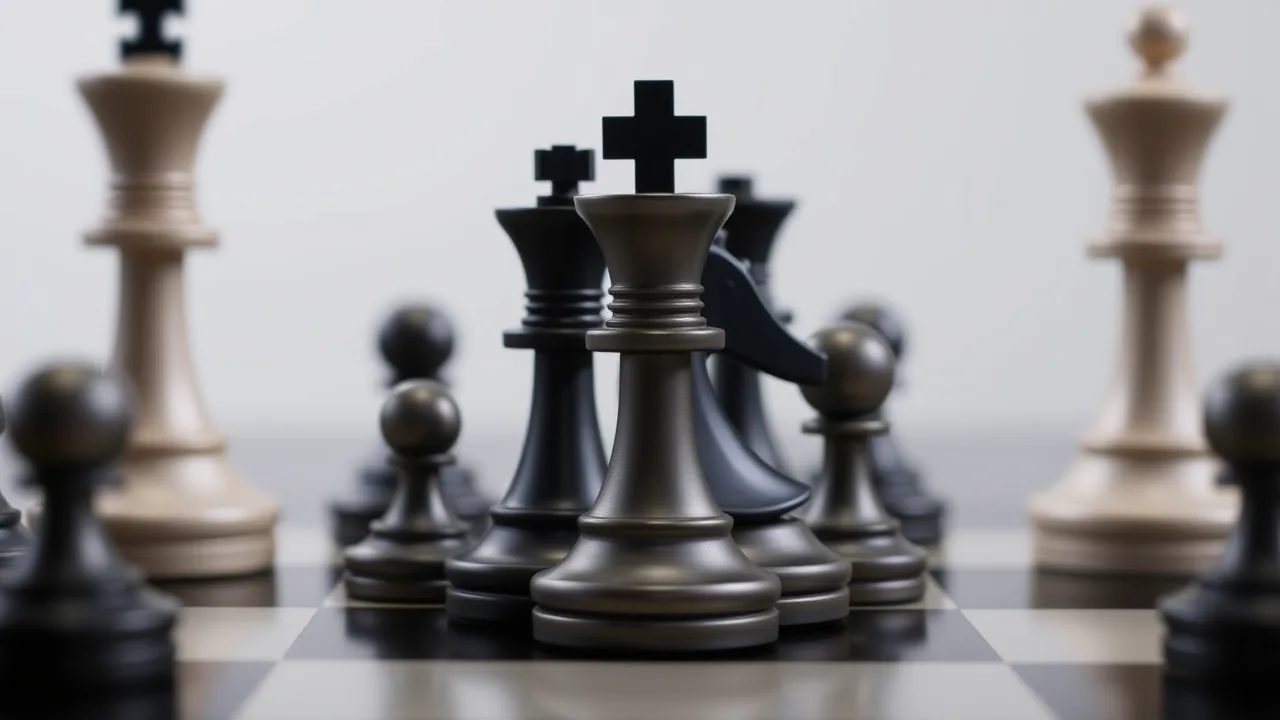
Step into the timeless world of strategy and intellect with the ultimate chess game for two players. This digital adaptation brings the centuries-old battle of wits directly to your screen, offering a perfect arena for both seasoned grandmasters and enthusiastic beginners. Whether you are looking to sharpen your tactical skills or simply enjoy a relaxing match against a friend, this version provides a seamless and engaging experience that captures the essence of the royal game.
Chess is more than just a board game; it is a universal language of strategy and foresight. In this digital format, the rich history of the game meets modern convenience. You don't need a physical board or a quiet corner in a park to play; the challenge is right here, ready whenever you are. The objective remains the same: outmaneuver your opponent, control the board, and ultimately checkmate their king. It is a pure test of skill where every move counts and every decision shapes the future of the match.
Understanding the Board and Pieces
Every match begins with a standard 64-square board, alternating between light and dark squares. Each player commands an army of sixteen pieces, ranging from the humble pawn to the powerful queen. Learning how these pieces move is the first step toward mastery. The knight leaps in an L-shape, the bishop slides diagonally, and the rook charges in straight lines. Understanding the unique capabilities of each unit is essential for building a strong defense and launching a successful attack.
Essential Rules for Beginners
If you are new to the game, the rules are straightforward but deep. The game starts with white moving first. Players alternate turns, moving one piece at a time. You capture an opponent's piece by landing on the square it occupies. The game ends when a king is in "checkmate," meaning it is under attack and has no legal moves to escape. There are also special moves like castling, which protects your king, and pawn promotion, which allows a pawn reaching the other side of the board to become a more powerful piece.
| Feature | Details |
|---|---|
| Gameplay Style | Turn-based strategy |
| Controls | Point-and-click or tap to move |
| Session Pace | Variable, depending on player speed |
| Device Fit | Optimized for desktop and mobile screens |
| Category Match | Classic Board & Strategy Games |
Mastering Opening Strategies
A strong opening sets the tone for the entire game. While there are many famous openings, the basic principles are universal. First, try to control the center of the board with your pawns. Second, develop your knights and bishops early so they are ready to fight. Finally, ensure your king is safe, often by castling early. Avoid bringing your queen out too soon, as she can be chased away by weaker enemy pieces, causing you to lose valuable time.
Tactical Patterns to Recognize
As you gain experience, you will start to notice recurring patterns on the board. These are called tactics. Common tactics include the "fork," where one piece attacks two enemy pieces at once, and the "pin," where an enemy piece cannot move without exposing a more valuable piece behind it. Learning to spot these opportunities—and avoid falling into these traps yourself—is the key to moving from a casual player to a formidable opponent.
Endgame Techniques for Victory
The endgame is the final phase of the match, where few pieces remain on the board. This stage requires precision and patience. The goal shifts from general development to specific mating attacks or promoting a pawn. King activity becomes crucial here; unlike the opening, your king should move toward the center to support your remaining pieces. Mastering basic checkmates, such as King and Queen versus King, ensures you can convert your advantage into a win.
Frequently Asked Questions
Can I play this game with a friend?
Yes, this version is designed specifically as a chess game for two players. It supports local multiplayer, allowing you to take turns on the same device or connect with a friend to test your skills against a human mind rather than a computer.
Is this suitable for beginners?
Absolutely. While chess has a high skill ceiling, the basic rules are easy to learn. This game provides a clean interface that makes it easy to focus on your moves without getting distracted by complex menus, making it ideal for those just starting their chess journey.
How long does a typical match take?
The duration of a match depends entirely on the players. A fast-paced "blitz" game might last only a few minutes, while a more thoughtful, classical game could last an hour or more. The game adapts to your preferred pace.