

















Ultimate Guide to tank games
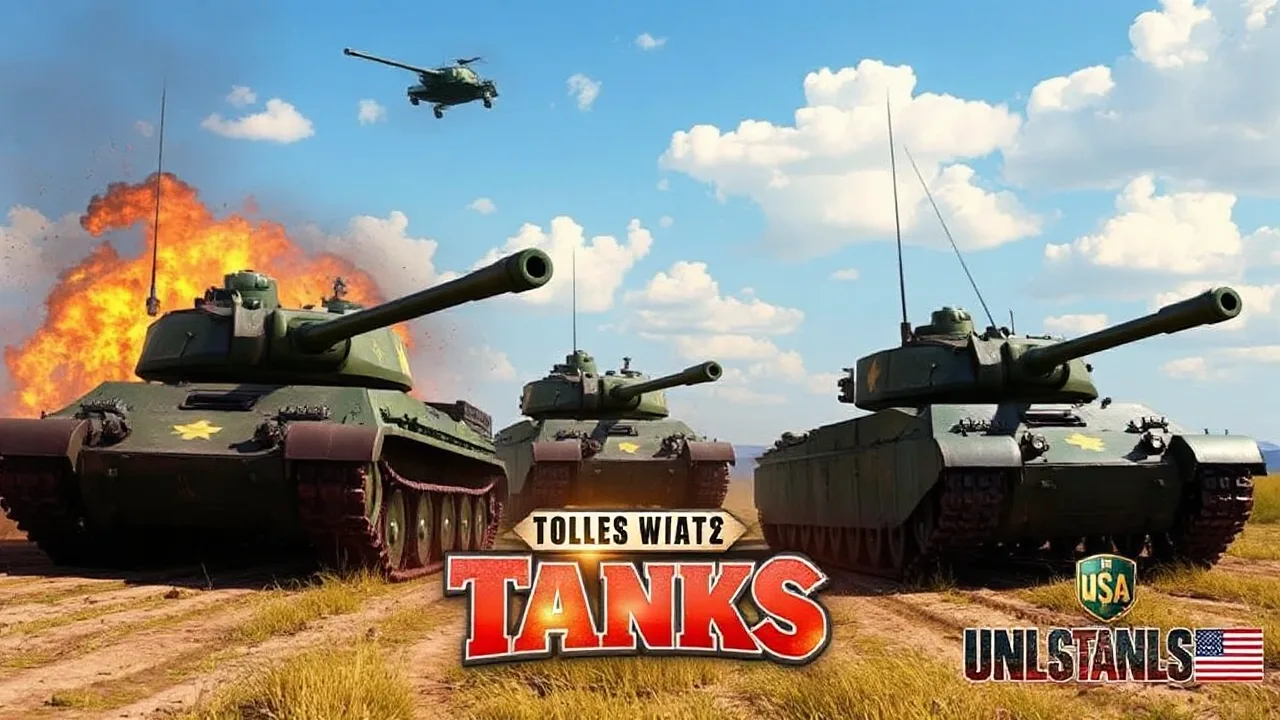
Dive into the world of armored combat with a focus on accessible browser-based action that rewards quick thinking and precise control. This page covers what makes these experiences engaging, how to approach them effectively, and why they remain a favorite for fast, skill-driven entertainment.
This keyword page works best when it helps players move from general interest to a more focused selection. For readers who want more games related to tank games, tank games gives a direct path to similar options without breaking the flow of the page.
Armored combat titles center on controlling a tracked vehicle through top-down or isometric viewpoints. Core loops typically involve navigating compact arenas, dodging incoming fire, and landing accurate shots to outlast opponents. Many browser-based entries emphasize immediacy: short rounds, clear objectives, and minimal setup. The appeal lies in balancing movement with timing, where positioning often matters as much as raw firepower. Expect a mix of survival challenges, target practice, and tactical skirmishes, all designed for quick sessions that still demand focus and adaptation.
Core Mechanics and Controls
Most armored combat setups use straightforward input schemes that keep attention on the battlefield. Common controls include arrow keys or WASD for movement, with mouse aiming or secondary keys for firing. Some variants add shields, special abilities, or terrain interaction, but the baseline remains accessible. Success hinges on reading enemy patterns, managing reload cycles, and using cover effectively. Because rounds are short, players learn through repetition, refining their approach with each attempt. The best experiences provide clear feedback so that every hit, miss, and near-miss teaches something useful.
Choosing the Right Arena and Mode
Not all armored combat plays the same, and selecting the right mode can dramatically change the feel. Single-player challenges often focus on survival or target clearing, while multiplayer matches introduce unpredictable opponents. Arena size, obstacle density, and enemy behavior all influence pacing. Smaller spaces favor aggressive play, whereas larger maps reward patience and positioning. Before starting, consider what kind of session you want: a quick burst of action or a longer stretch of tactical maneuvering. The right choice keeps the experience fresh and aligned with your goals.
| Feature | Details |
|---|---|
| Gameplay style | Top-down or isometric armored combat with fast rounds and skill-based aiming |
| Controls | Arrow keys or WASD for movement; mouse or secondary keys for firing |
| Session pace | Short, replay-friendly matches ideal for quick breaks |
| Device fit | Optimized for desktop browsers; mobile-friendly variants may be available |
| Category match | Fits arcade action and browser-based combat categories |
Essential Tactics for Consistent Wins
Winning consistently comes down to a few repeatable habits. First, prioritize movement over aggression; staying mobile makes you harder to hit. Second, learn the rhythm of enemy fire and use pauses to reposition. Third, use the environment: corners, obstacles, and map edges can block shots and create safe angles. Fourth, manage your aim carefully; a well-placed shot often beats a rapid volley. Finally, stay calm under pressure. Panicked inputs lead to mistakes, while deliberate actions keep you in control even when the screen fills with chaos.
Visuals, Audio, and Focus
Clear visuals and responsive audio are crucial for performance. Look for crisp outlines, readable enemy markers, and distinct projectile colors. Good sound design signals hits, reloads, and danger cues without distracting from the action. Adjust brightness and contrast if needed to keep details sharp. Reduce background clutter and close unnecessary tabs to minimize distractions. Some players prefer muted music to focus on cues, while others enjoy a high-energy soundtrack to stay engaged. Experiment to find what keeps your attention locked in without fatigue.
Progression and Replay Value
Replay value in armored combat comes from mastery rather than long campaigns. Each round is a chance to refine movement, aim, and decision-making. Many experiences track personal bests or offer challenges that encourage different strategies. Setting small goals—like improving accuracy, surviving longer, or clearing specific waves—creates a sense of progress without grind. Because sessions are short, it is easy to return for a few rounds and see tangible improvement over time. The loop stays compelling as your skills grow and challenges scale accordingly.
Getting Started and Finding Matches
Starting is simple: choose a mode, review the controls, and jump into a practice round to calibrate sensitivity and timing. If the experience includes difficulty options, begin with an easier setting to learn the basics before escalating. For multiplayer, observe a match or two to understand common tactics and map layouts. Keep sessions focused and take breaks to avoid fatigue. When you are ready, use the link below to explore the full range of tank games and find the style that suits you.
FAQ
What makes armored combat fun in a browser format?
The format emphasizes accessibility and speed. There is no installation, rounds start quickly, and controls are easy to learn. This lets players focus on the action and improvement rather than setup or complex systems.
Do I need prior experience to enjoy these games?
No prior experience is required. Most titles are designed for immediate play, with simple controls and clear objectives. Practice rounds help build confidence, and difficulty often scales as your skills improve.
Can I play on mobile devices?
Many browser-based experiences are optimized for desktop, but some include mobile-friendly controls. Check the specific game page for touch support and adjust sensitivity settings to match your device.
How long does a typical session last?
Sessions are usually short, ranging from a few minutes to around fifteen minutes per match. This makes them ideal for quick breaks or focused practice without a large time commitment.
Are there ways to improve quickly?
Focus on movement, positioning, and timing rather than raw speed. Use cover, learn enemy patterns, and review your performance after each round. Small adjustments often lead to noticeable gains.