

















The Ultimate Guide to instrument games
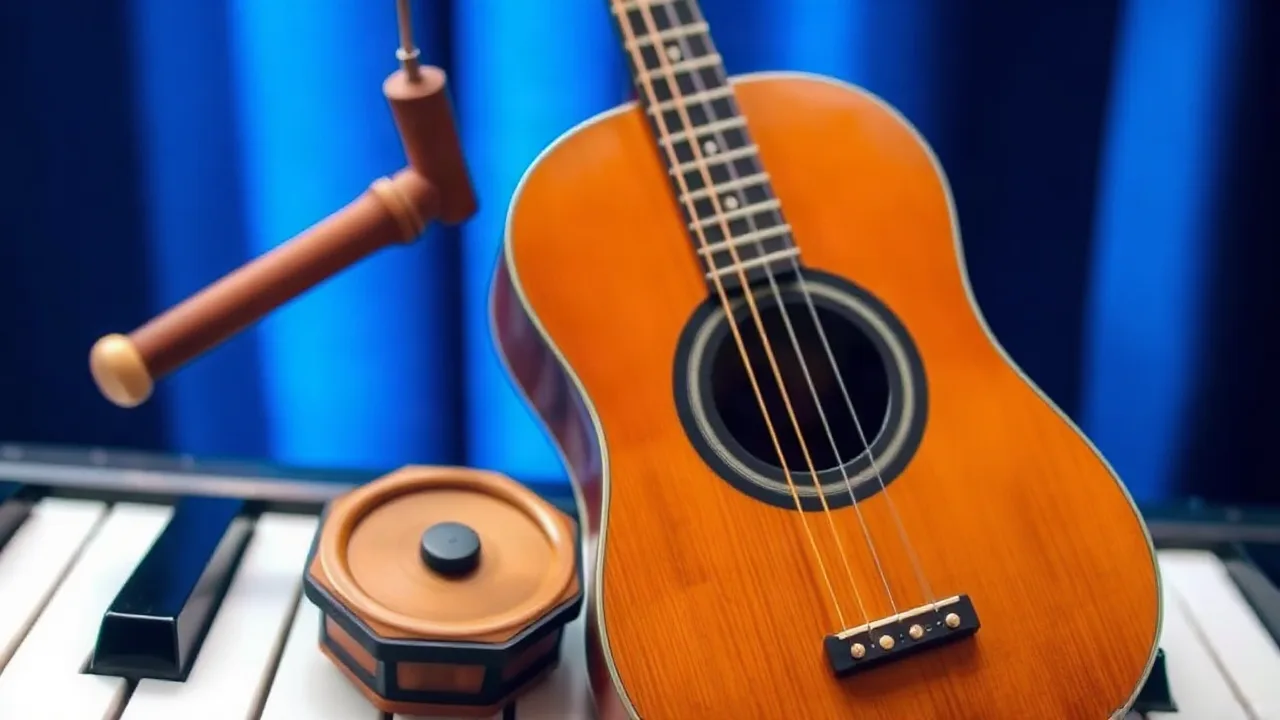
Instrument games let you step into the role of a musician without needing any real hardware, offering instant access to rhythm-based challenges, creative sandboxes, and musical puzzles right from your browser. Whether you want to drum along to a beat, match notes in time, or simply experiment with sounds, this collection delivers a satisfying musical experience for players of every skill level.
What Makes Instrument Games So Addictive
The appeal of instrument games lies in their blend of accessibility and depth. You can jump in for a quick two-minute session or lose yourself for an hour experimenting with melodies. The core loop is simple: listen, react, and create. That simplicity hides a surprisingly rich layer of skill growth, because timing, rhythm, and pattern recognition all improve the more you play.
Unlike many browser games that rely purely on reflexes, instrument games reward musical awareness. You start to feel the beat rather than just see it, and that shift from visual reaction to auditory intuition is what keeps players coming back.
Getting Started With Your First Session
Most instrument games drop you straight into the action with minimal setup. You will typically choose an instrument, pick a difficulty or song, and begin. Controls are usually mapped to simple keyboard keys or mouse clicks, so there is no learning curve for the interface itself. The challenge comes from timing your inputs with the music, not from figuring out what buttons to press.
If you are new to rhythm games, start on an easier difficulty to build confidence. Focus on staying consistent rather than chasing a perfect score. Accuracy at a slower pace translates directly into better performance when you bump up the speed.
| Feature | Details |
|---|---|
| Gameplay style | Rhythm-based input, musical timing, and creative play |
| Controls | Keyboard keys and mouse clicks mapped to beats |
| Session pace | Short rounds that scale from relaxed to fast-paced |
| Device fit | Plays well on desktop and mobile browsers |
| Category match | Suits players who enjoy music, timing, and skill games |
Understanding Rhythm and Timing Mechanics
At the heart of every instrument game is a timing system. Notes or cues appear on screen, and you need to hit the corresponding input at the right moment. Games usually grade your accuracy with labels like perfect, great, good, and miss. Hitting a note right on the beat earns the highest score, while slightly early or late inputs still count but with reduced credit.
Pay attention to the visual cues. Most games use a scrolling track, a stationary hit zone, or both. Learning where the note needs to be relative to the target line when you press the key is the single most important skill to develop. Once that timing becomes second nature, higher difficulties become much more manageable.
Exploring Different Instrument Types
Instrument games cover a wide range of musical styles. Drum-focused games test your ability to maintain a steady rhythm across multiple lanes. Piano-style games challenge you with melodic patterns that require precise finger coordination. Guitar and string-based games often add strumming mechanics or chord sequences. Some games even let you switch between instruments within a single session.
Trying different instrument types is a great way to find what clicks with you. Drum games tend to be more about endurance and consistency, while piano games reward quick pattern recognition. Mixing it up also keeps your skills sharp across different musical contexts.
Building Skill Through Practice Patterns
Improvement in instrument games follows a clear path. Early on, you are learning to read the screen and translate visual information into keystrokes. After that, you start anticipating patterns rather than reacting to individual notes. At the highest level, you are reading ahead in the track and preparing inputs before the notes even reach the hit zone.
Repeating the same song or challenge is one of the most effective ways to progress. Familiarity with a track lets you focus on technique instead of just survival. Once you can consistently clear a piece, bump up the difficulty and watch your skills transfer.
Tips for Scoring Higher
A few habits separate average players from high scorers. First, keep your eyes on the hit zone rather than chasing notes far up the track. Second, stay relaxed. Tension in your hands slows reaction time and makes timing less precise. Third, use a metronomic mindset. Even when a section gets chaotic, try to feel the underlying pulse of the music.
Sound quality matters too. Playing with headphones or decent speakers helps you lock onto the beat more easily than relying on a laptop speaker. If the game offers audio calibration options, take a moment to set them up.
Playing Across Devices
One of the best things about instrument games is how well they translate to different devices. On desktop, keyboard controls give you the most precise input. On mobile, touch screens offer a natural, tactile feel that suits rhythm games surprisingly well. Many games in this genre are built as browser games, which means you can start playing instantly without downloads or installs.
Whichever device you use, make sure the screen is large enough to track incoming notes comfortably. On smaller screens, reducing visual clutter in the game settings can make a big difference.
Why This Collection Stands Out
Instrument games are a fantastic addition to any game library because they offer something rare: a skill that genuinely transfers. The timing, coordination, and musical awareness you build here apply to real instruments and other rhythm-based challenges. They are also perfect for short breaks, since a single round rarely takes more than a few minutes.
Whether you are a casual player looking for a fun way to pass the time or a rhythm game enthusiast chasing high scores, this collection has something for you. Dive in, pick an instrument, and start making music.
FAQ
Do I need any musical experience to play instrument games?
No. These games are designed for everyone. You do not need to read sheet music or have played a real instrument. The games teach you what to do through visual cues and simple controls.
Can I play instrument games on my phone?
Yes. Most games in this genre work well on mobile browsers with touch controls. The experience is slightly different from keyboard play but equally enjoyable.
Are these games free to play?
Most instrument games in this collection are free to play directly in your browser with no download required.
How do I get better quickly?
Focus on one song or challenge at a time, play on a comfortable difficulty, and repeat. Consistency builds timing faster than jumping between different tracks.