

















Unblocked Driving Games for Puzzle Lovers
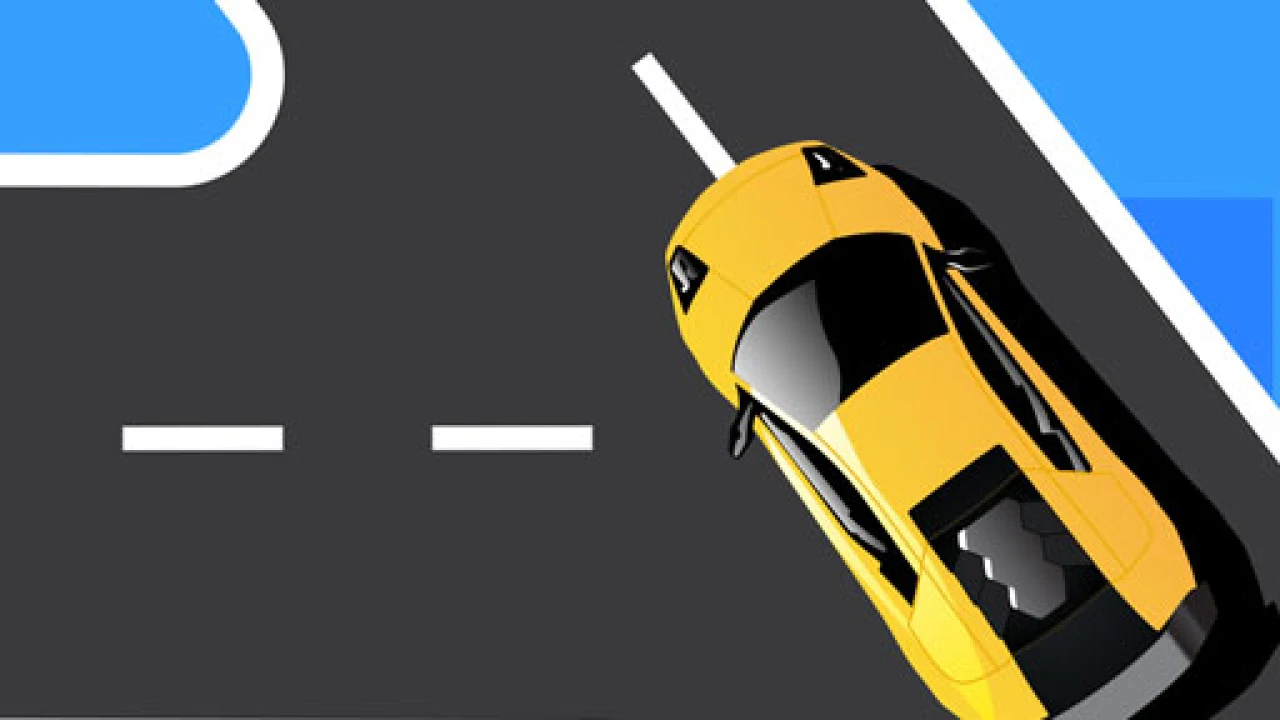
Exploring puzzle mechanics behind the wheel can be a surprisingly engaging experience, and this page focuses on the accessible charm of unblocked driving games that appeal to puzzle fans. Here, you will find practical guidance and insights designed to help you understand how driving challenges can double as brain-teasers, encouraging you to jump in and play with confidence.
This keyword page works best when it helps players move from general interest to a more focused selection. For readers who want more games in this style, unblocked driving games gives a direct path to related options without breaking the flow of the page.
Many players assume that driving games are only about speed, but puzzle lovers can find plenty of depth in route planning, timing, and obstacle navigation. When you approach a level as a sequence of decisions rather than a race, you start to see patterns, bottlenecks, and opportunities to optimize your path. This mindset transforms every session into a thoughtful exercise where patience and observation matter as much as reflexes.
Driving puzzles often present constraints such as limited space, moving hazards, or strict objectives that require careful sequencing. By treating each turn and lane change like a move on a chessboard, you can develop strategies that minimize risk and maximize efficiency. This approach rewards players who enjoy analyzing situations and making deliberate choices.
Core mechanics that reward planning and timing
At the heart of these games are mechanics that emphasize foresight. You might need to time your acceleration to slip through closing gaps, coordinate multiple vehicles, or manage a route that changes dynamically as obstacles shift. The best sessions happen when you slow down, read the environment, and plan a few steps ahead rather than reacting on impulse.
Success often comes from balancing speed with caution. Rushing can lead to collisions or missed objectives, while hesitation can cost you precious seconds. Learning to recognize the right moment to act is a skill that puzzle fans will find both familiar and satisfying.
| Feature | Details |
|---|---|
| Gameplay style | Route-focused driving with puzzle-like planning and obstacle navigation |
| Controls | Simple keyboard or touch inputs for steering, acceleration, and braking |
| Session pace | Flexible; can be fast or deliberate depending on player approach |
| Device fit | Works well on desktops, laptops, and mobile browsers |
| Category match | Aligns with Puzzle Games through problem-solving and strategic thinking |
Visual cues and level design that guide decision-making
Good level design communicates possibilities clearly. Color, shape, and movement can signal safe paths, potential hazards, and optimal timing windows. When you learn to read these cues quickly, you can make confident decisions without second-guessing. This visual language helps keep the experience approachable while still offering depth for players who enjoy careful planning.
Many stages introduce new elements gradually, letting you build familiarity before increasing complexity. This pacing supports a natural learning curve, allowing puzzle fans to develop skills at a comfortable rate while staying engaged.
Strategies for puzzle-focused drivers
Start each level by scanning the environment for fixed obstacles and moving elements. Identify choke points where timing is critical and look for alternative routes that might reduce risk. If a particular section feels tricky, slow down and break it into smaller steps rather than attempting the whole sequence at once.
Patience is a powerful tool. Taking a moment to observe patterns before committing to a move often leads to smoother runs. Over time, you will develop an instinct for when to accelerate, when to wait, and when to take a safer path that still meets the objective.
Why these games suit puzzle enthusiasts
Puzzle fans thrive on structure, constraints, and incremental progress, all of which are present in well-designed driving challenges. The satisfaction of solving a level through careful planning mirrors the experience of completing a logic puzzle, and the added dimension of movement gives the problem-solving a dynamic feel. This blend keeps sessions fresh and rewarding.
Because the rules are simple and the goals are clear, it is easy to focus on strategy rather than complex inputs. That accessibility lets players concentrate on the mental side of the experience, which is exactly what many puzzle lovers enjoy.
Getting started and finding your flow
Begin with shorter levels to learn the controls and understand how the game communicates information. As your confidence grows, move on to longer or more intricate stages that require multi-step planning. Keep your focus on steady improvement rather than perfection, and celebrate small wins along the way.
Try playing in a relaxed setting where you can experiment without pressure. This mindset helps you discover the subtle strategies that make each run smoother and more efficient.
Play now
Ready to put your planning skills to the test? You can start right away by visiting the unblocked driving games section and choosing a level that matches your mood. Whether you prefer a quick session or a longer challenge, there is a driving puzzle waiting for you.
FAQ
What makes these driving games feel like puzzles?
They emphasize route planning, timing, and obstacle navigation over raw speed. Success depends on reading the environment and making deliberate choices, which aligns closely with puzzle-solving.
Do I need fast reflexes to enjoy these games?
Not necessarily. While some moments benefit from quick reactions, careful observation and strategic thinking are often more important. Puzzle fans can thrive by playing methodically.
Can I play on different devices?
Yes, these games are designed to work in modern browsers across desktops, laptops, and mobile devices, making it easy to play wherever you are.
Are there difficulty levels or gentle introductions?
Many games start with simpler stages that teach core mechanics before introducing more complex scenarios. This gradual approach helps players build confidence at their own pace.
How do I improve my results over time?
Focus on learning from each run. Identify where mistakes happen, adjust your timing or route, and practice the sections that feel most challenging. Small adjustments often lead to big improvements.