














Top Tips for Mastering 3rd person shooter Gameplay
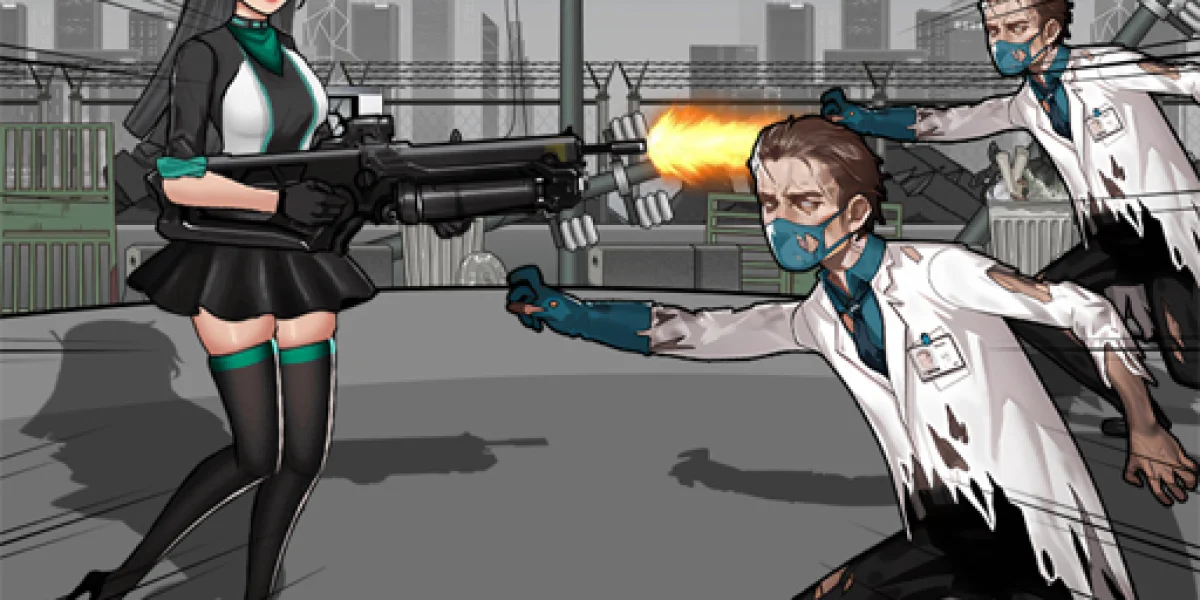
Mastering a third-person perspective in fast-paced combat requires a blend of precise aiming, strategic movement, and situational awareness. Players who embrace this viewpoint gain a broader field of vision, allowing them to track enemies while keeping their own character in frame. Success in this genre demands quick reflexes and smart positioning to outmaneuver opponents in dynamic environments.
Dive into the heart of the action with this 3rd person shooter category, perfect for players who enjoy a wider view of the battlefield while maintaining precision. Whether you prefer tactical cover or fast-paced runs, this selection of shooting games delivers immersive combat where spatial awareness is key to survival and victory.
Playing from a third-person viewpoint offers a significant advantage in spatial awareness. You can see your character's body, which helps in navigating tight corners and avoiding hidden threats. The camera angle allows you to peek around obstacles without exposing yourself to enemy fire. Learning to manipulate the camera manually is essential for maintaining a clear line of sight while staying in cover.
Adjusting the distance and height of the camera can reveal details that a first-person view might miss. This perspective helps in tracking bullet trajectories and predicting enemy movements. Mastering the camera means you spend less time guessing and more time reacting to the battlefield's flow.
Perfecting Movement and Cover Mechanics
Fluid movement is the backbone of survival in this genre. Sprinting between cover points, sliding around corners, and vaulting over barriers keeps you unpredictable. Always move with purpose; running in the open makes you an easy target. Use the environment to your advantage by hugging walls and crouching behind low obstacles.
Transitioning smoothly between standing, crouching, and prone positions affects your accuracy and visibility. Peeking from cover using the over-the-shoulder view lets you aim without fully exposing your body. Practice these mechanics to minimize your hitbox while maximizing your offensive output.
Mastering Aiming Techniques
Aiming in a third-person shooter requires a different mindset than first-person titles. The reticle is often less intrusive, but you must account for the character's position relative to the crosshair. Focus on centering your target before firing to reduce recoil impact. Burst firing is generally more effective than holding down the trigger for extended periods.
Utilize the zoom function sparingly for medium-range engagements. Over-reliance on zoom can limit your peripheral vision. Develop muscle memory for flick shots and tracking moving targets. Consistent practice in aiming drills will translate to better accuracy during intense firefights.
Strategic Positioning and Map Control
Controlling key areas of the map gives your team a tactical edge. High ground offers superior visibility and makes it harder for enemies to land shots. Choke points are ideal for ambushes but require backup to avoid being flanked. Always have an escape route planned before engaging.
Listen for audio cues like footsteps and gunfire to locate nearby threats. Positioning is not just about where you stand but how you move between engagements. Rotate quickly to support teammates or reinforce a collapsing defense. Map knowledge combined with good positioning creates constant pressure on the opposition.
Weapon Selection and Loadout Optimization
Choosing the right weapon for the situation is critical. Assault rifles offer versatility for mid-range combat, while shotguns excel in close-quarters chaos. Sniper rifles are perfect for long-range elimination but struggle in tight spaces. Balance your loadout to handle various engagement distances.
Attachments like scopes, grips, and extended magazines tailor a weapon to your playstyle. Experiment with different combinations to find what feels most comfortable. Manage your ammunition wisely; reloading at the wrong moment can be fatal. Prioritize weapons that complement your movement and aiming preferences.
Team Coordination and Communication
Even in solo play, understanding team dynamics improves performance. Call out enemy positions, share ammo, and coordinate pushes. A well-timed flanking maneuver can break a stalemate. Use pings or voice chat to relay information quickly without breaking focus.
Support roles often involve suppressing fire or healing, while assault roles lead the charge. Adapting to your team's needs ensures collective success. Avoid lone-wolf tactics that leave you isolated and outnumbered. Trust your teammates and maintain formation to cover all angles.
FAQ
What is the best way to practice movement in a third-person shooter?
Start in a private match or training mode to focus on sprinting, sliding, and vaulting without pressure. Repetition builds the muscle memory needed for smooth transitions during combat.
How do I improve my aim quickly?
Adjust your sensitivity settings to a comfortable level and practice tracking moving targets. Use aim trainers or in-game ranges to refine your precision before jumping into ranked matches.
Should I always stay in cover?
Cover is essential for survival, but staying static makes you predictable. Peek, shoot, and reposition frequently to keep enemies guessing while minimizing exposure.
What role does audio play in this game?
Sound is crucial for detecting enemy footsteps, gunfire, and reloads. Use headphones to pinpoint locations and react faster to incoming threats.
Can I play effectively without a team?
Solo play is viable with strong map awareness and self-reliance. Focus on positioning and pick fights you can win rather than engaging multiple enemies at once.
How do I choose the right weapon?
Consider the map layout and your preferred engagement range. Test different weapons in casual modes to see which fits your style before committing to a loadout.
Is there a penalty for dying frequently?
Most games track deaths for matchmaking balance, but respawning is usually quick. Focus on learning from each death rather than worrying about stats.
How can I support my team if I am not a strong shooter?
Play a support role by providing cover fire, healing, or reconnaissance. Good positioning and communication can be just as valuable as raw aiming skill.
What should I do if I am getting flanked?
Immediately reposition to a safer area and alert your team. Use grenades or abilities to slow the flanker while you retreat to cover.
How important is map knowledge?
Knowing spawn points, choke points, and power weapon locations is vital. Spend time exploring maps in custom games to memorize routes and hiding spots.
Jump into the action now and experience the thrill of third-person combat. Practice these strategies, refine your skills, and dominate the battlefield. The arena awaits your arrival.
3rd person shooter