

















Top Strategies for Winning at security games
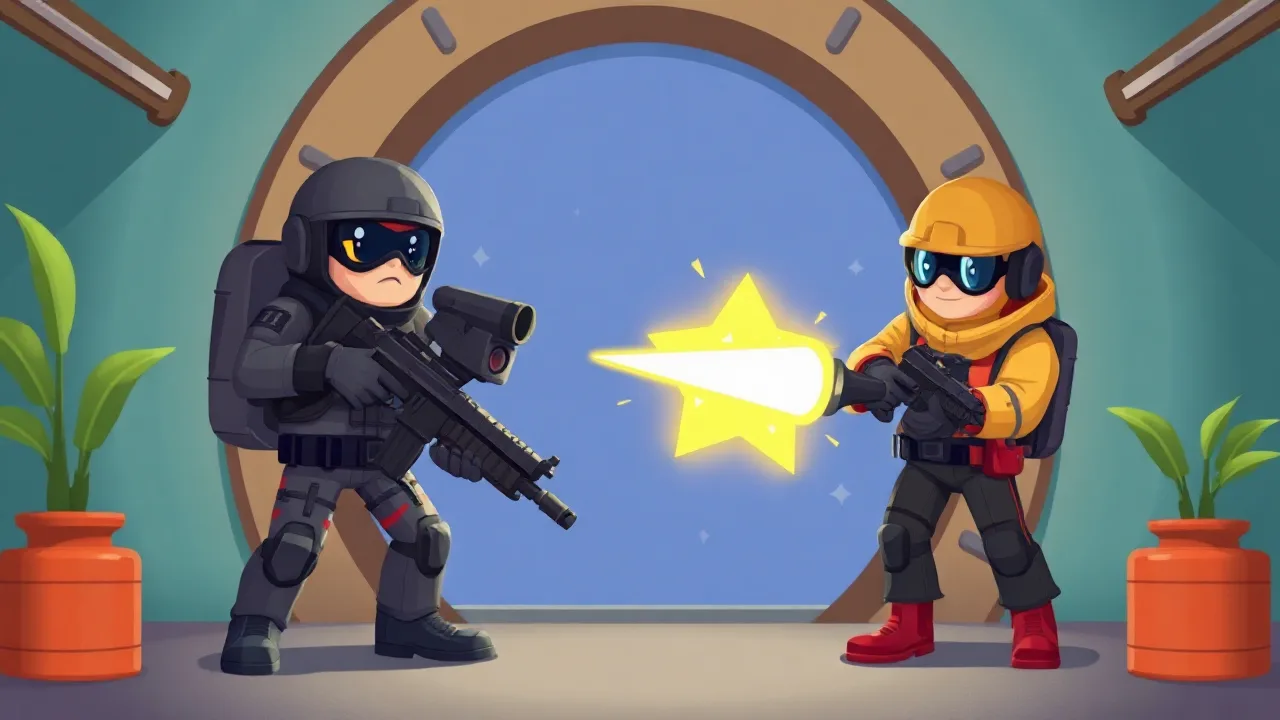
Discover the fun and challenge of security games, where players test their reflexes and strategy in protective missions. This guide dives into practical ways to enjoy these games and improve your performance while keeping the experience engaging and accessible for all skill levels.
This keyword page works best when it helps players move from general interest to a more focused selection. For readers who want more games related to security games, security games gives a direct path to similar options without breaking the flow of the page.
Security games often revolve around protecting a target, managing resources, and reacting quickly to threats. The core loop typically involves scanning environments, identifying risks, and making split-second decisions to maintain safety. Players who master these fundamentals can enjoy a rewarding sense of control and accomplishment as they progress through levels or challenges.
Essential Controls and Interface Tips
Most security-style games rely on simple input methods like mouse clicks, taps, or basic keyboard commands. Getting comfortable with the interface is key. Practice moving your cursor efficiently, using hotkeys if available, and learning where vital information appears on screen. A clean setup helps you focus on the action without unnecessary distractions.
| Feature | Details |
|---|---|
| Gameplay style | Protective strategy with quick reactions |
| Controls | Mouse or touch-based with optional hotkeys |
| Session pace | Moderate to fast, depending on level |
| Device fit | Works on desktop, tablet, and mobile |
| Category match | Ideal for casual and strategy players |
Building a Strong Defensive Strategy
Winning in security games often comes down to smart planning. Start by learning the patterns of common threats and prioritize the most critical areas first. Use your resources wisely, whether it's time, virtual tools, or in-game currency. Over time, you'll develop an intuition for when to act and when to hold back, which is essential for long-term success.
Managing Time and Pressure
Many security challenges involve time limits or escalating pressure. The best approach is to stay calm and focused. Break larger tasks into smaller, manageable steps. If the game features waves of activity, pace yourself to avoid burnout. Taking short mental breaks between intense moments can help maintain accuracy and enjoyment.
Improving Reaction Speed
Quick reflexes are a huge advantage in security games. You can train your reaction time by playing regularly and gradually increasing the difficulty. Focus on anticipating moves rather than just responding to them. Simple exercises like tracking multiple objects or practicing with faster-paced mini-games can sharpen your skills over time.
Learning from Each Playthrough
Every session offers a chance to learn. After each game, think about what went well and where you struggled. Adjust your approach based on those insights. Many players keep a mental note of effective tactics or even write down short reminders. This habit turns casual play into continuous improvement without feeling like homework.
Staying Motivated and Enjoying the Journey
Progress in security games is most rewarding when you enjoy the process. Set small, achievable goals and celebrate when you hit them. Whether it's mastering a new level or simply having fun with the mechanics, a positive mindset keeps the experience fresh. Remember, the main aim is to have a great time while challenging yourself.
FAQ
What makes security games engaging? They combine strategy, quick thinking, and a clear goal of protection, which creates a satisfying loop of challenge and reward.
Do I need prior experience to play? No, most security games are designed to be accessible to beginners while offering depth for experienced players.
Can I play on different devices? Yes, many titles in this category work well on desktops, tablets, and phones, so you can play almost anywhere.
How can I improve quickly? Focus on understanding game patterns, practicing controls, and reviewing your performance after each session.
Are there any costs involved? Many security games are free to play, with optional features that enhance the experience without requiring payment.
Where can I start playing? You can jump right into the action by exploring security games and finding a title that matches your style.