


Melon Sandbox Online Guide: Build Clear Physics Experiments
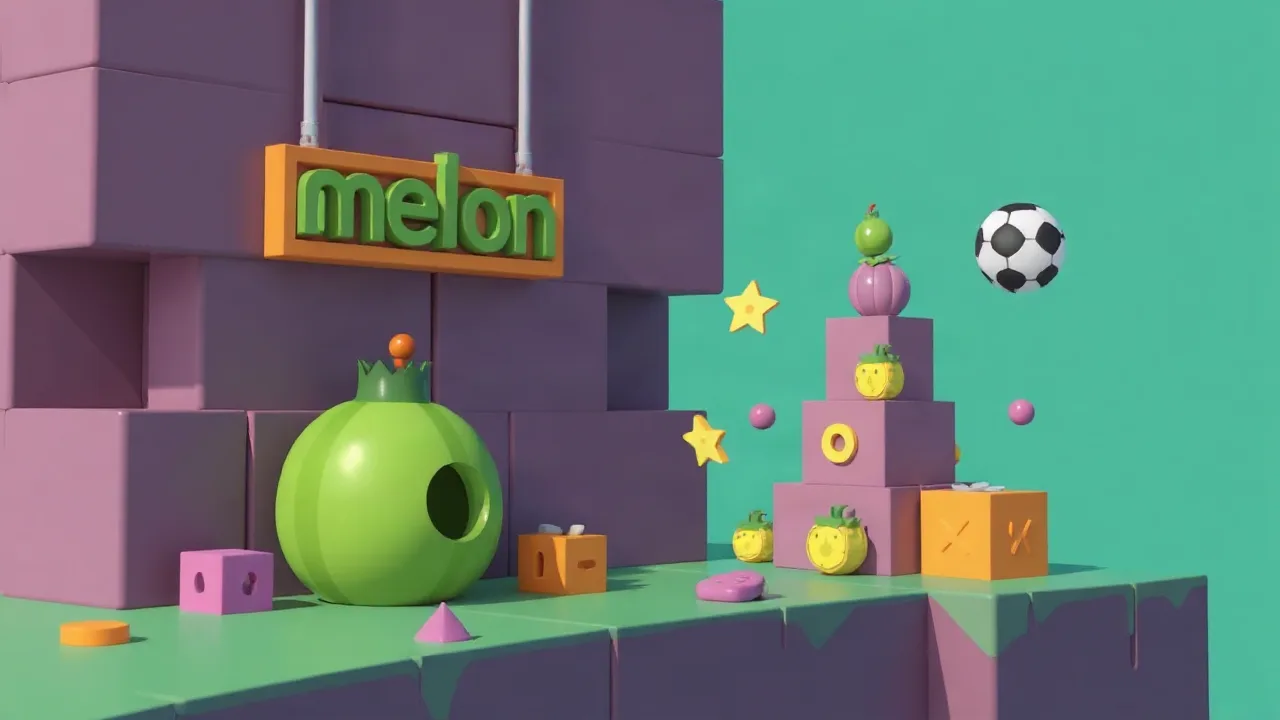
Melon Sandbox Online is an open experiment space built around dynamic objects and realistic ragdoll-style physics. Use the exact Melon Sandbox Online game checked for this guide, then browse Action Games if you want a more goal-driven challenge after an open-ended session.
What Makes Melon Sandbox Worth Playing
A Physics Playground Built for Experimentation
Melon Sandbox drops you into an open environment where nearly everything obeys physical rules. Objects have weight, momentum, and collision behavior, so pushing a crate off a ledge or stacking items into a tower produces believable results. The fun comes from testing ideas quickly and watching how the world reacts. There is no single goal or score to chase, which makes every session feel personal and unscripted.
Players who enjoy tinkering with systems tend to settle in for long stretches of play. One moment you are carefully arranging objects, the next you are detonating everything you built just to see what happens. That freedom to experiment without penalty is the core appeal.
Core Gameplay Mechanics at a Glance
| Feature | Details |
|---|---|
| Gameplay style | Open-ended physics sandbox with no fixed objectives |
| Controls | Keyboard and mouse on desktop, touch gestures on mobile |
| Session pace | Self-directed; short experiments or long building sessions |
| Device fit | Runs in browser on desktop and mobile devices |
| Category match | Sandbox and physics simulation |
Building Creative Setups and Contraptions
The most rewarding part of Melon Sandbox is constructing your own scenarios. Start simple by combining a few objects and observing their interactions. From there, layer in more elements: ramps, barriers, moving parts, and triggers. Each addition changes how the whole system behaves, so small tweaks can produce dramatic results.
Experienced players often develop repeatable setups they return to across sessions. A well-designed contraption can be a launching platform, a demolition course, or a chain reaction puzzle. Sketching an idea mentally before placing objects helps keep builds coherent, though improvising works just as well if you prefer a more chaotic approach.
Tips for Getting the Most Out of Each Session
Set a small goal before you start, even if it is something like testing how five objects stack or seeing what happens when you combine two tools. Goals keep sessions focused without limiting creativity. Reset the environment frequently; a clean slate makes new ideas easier to test.
Pay attention to how objects behave at different scales and speeds. Slow, careful placement reveals subtle physics details, while fast, aggressive interactions highlight the engine's dynamic side. Alternating between these approaches keeps gameplay fresh and helps you learn the system faster.
Why the Sandbox Format Appeals to So Many Players
Sandbox games thrive because they put creative control directly in the player's hands. Melon Sandbox does this without overwhelming you with menus or complex crafting trees. The barrier to entry is low, but the depth is real. Players who enjoy tinkering, engineering, or simply causing entertaining chaos all find something to like.
Because there is no fail state, experimentation feels safe. You can try something ridiculous, watch it collapse, and immediately try again. That loop of attempt, observe, adjust is what keeps sessions engaging far longer than you might expect.
Start with a question, not a pile of objects
An open sandbox becomes more interesting when each setup tests an idea. Ask what happens when an object falls from two different heights, how a stack responds to a side impact, or whether changing the order of placed items alters a collision. A clear question gives the experiment a beginning and an observable result.
Place only the objects needed for the first test. Extra pieces make it harder to see which interaction caused the outcome. Once the simple version behaves as expected, add one new element. This gradual method creates more surprising discoveries because you understand the baseline before the scene becomes chaotic.
Use repetition to understand the physics
Repeat a setup before judging it. Put the same objects in the same positions and perform the same action twice. If the outcomes match closely, you have a stable experiment. If they differ, look for small changes in placement, angle or timing. The ragdoll physics are entertaining, but they also reward careful observation.
After confirming the baseline, change one variable: height, direction, spacing or object count. Compare the new motion with the original. This turns play into a sequence of discoveries instead of a stream of unrelated collisions.
Build stable scenes before complex ones
Large constructions are easier when each section works independently. Create a base, test its balance, then add the next layer. If the structure collapses, repair the most recent change rather than rebuilding everything at random. Stable subassemblies make ambitious scenes manageable.
Leave space around moving parts. Objects need room to fall, swing or slide without striking an unintended piece too early. A clear layout also makes the result easier to read. Crowding can be fun when destruction is the goal, but it is less useful when you are trying to understand a particular reaction.
Plan chain reactions in stages
A good chain reaction has a visible trigger, a transfer of motion and a final event. Test each transition separately. First confirm that the trigger moves the second object, then verify that the second can reach the third. Connect the stages only after both links work. This prevents an early failure from hiding a later design problem.
Use generous spacing and strong contact points in the first version. Once the chain succeeds, make it more precise by reducing the margins. This creates a natural difficulty curve designed by you, which is one of the pleasures of an open sandbox.
Create, destroy and compare
Destruction is most informative when something has been built first. Make a small structure, record mentally how it is supported, then apply one force. Observe which joint or object fails first. Rebuild with a changed support and compare the result. The second collapse will teach you more than destroying two unrelated scenes.
If the goal is pure spectacle, set that intention and arrange the scene so the important motion stays visible. Keep the trigger separate from the final cluster and avoid blocking the view with unnecessary items. A readable chaotic scene is often more satisfying than one where everything moves at once for unclear reasons.
Keep experiments organized
Use different areas of the play space for different tests. One side can hold a stable build while another remains clear for impacts. Reset when debris makes the next result difficult to interpret. A clean environment is not mandatory, but it saves time when you want to reproduce a setup.
Give each session a theme: balance, falling, collisions, chain reactions or rebuilding. A theme provides direction without imposing a fixed objective. It also makes it easier to remember which ideas were successful and which need another attempt.
A method for troubleshooting failed builds
When a construction fails immediately, inspect the base and the first contact point. When it fails later, check whether repeated motion gradually shifted an object. Rebuild only the affected section and keep the rest unchanged. This isolates the problem and preserves useful work.
If a chain reaction stops, test the failed transition on its own. Move the receiving object closer, adjust the angle or use a clearer path. Once the transfer works reliably, reconnect it to the larger scene. Debugging one link at a time is faster than repeatedly triggering the entire setup.
What the verified game evidence supports
The current record and runtime identify Melon Sandbox Online as a dynamic environment with realistic ragdoll physics, creative interaction, construction and destruction. They do not establish a fixed campaign, required score, persistent saving system or a particular set of advanced tools. This guide therefore focuses on techniques that apply to the observed sandbox structure without promising features that may not be present.
Use the controls presented by the running game and let the available interface define what can be placed or activated. The core strategy remains the same across any visible object set: begin simply, change one variable and study the result.
Melon Sandbox questions
Is there one required objective? The verified description presents an experimental sandbox rather than a fixed goal. How should a beginner begin? Use a few objects, make one clear interaction and repeat it before adding complexity. Why do builds fail? Placement, balance, collision angle and timing can all change the result.
How can a session stay interesting? Choose a theme, create a baseline and design a harder variation. The freedom is most useful when curiosity is turned into a test you can observe and refine.
Design fair comparisons
When comparing two structures, keep their starting conditions as similar as possible. Place them on the same kind of surface, use the same trigger direction and change only the support or spacing you want to study. A fair comparison reveals why one version lasts longer instead of leaving the result to several unrelated differences.
Run each version more than once. If a small placement change produces a different collapse, that sensitivity is part of the discovery. Widen the support or increase the spacing until the outcome becomes repeatable, then reduce the margin gradually to find the point where the design becomes unstable.
Make the final event easy to observe
Complex experiments are satisfying when the final interaction remains visible. Build the trigger on one side, leave a clear transfer path and keep decorative objects away from the main motion. After a successful test, add detail around the working mechanism without blocking the parts that need to move.
If the scene becomes too crowded to understand, remove objects rather than adding a stronger impact. A simpler setup can produce a clearer and more dramatic result because each collision has room to develop. Save complexity for the second version, once the core sequence is dependable.
A four-stage sandbox session
Begin with five minutes of free exploration to learn what the visible objects do. Next, choose one interaction and build a repeatable baseline. In the third stage, alter one variable several times and compare the outcomes. Finish by combining the most interesting discovery with a small structure or chain reaction.
This routine preserves the freedom of sandbox play while giving the session a sense of progress. It also creates a natural stopping point: once the final build has been tested, note the idea you would change next time. You can return with a clear starting question instead of rebuilding a random scene from scratch.