














Stack and Clear Your Way Through Block
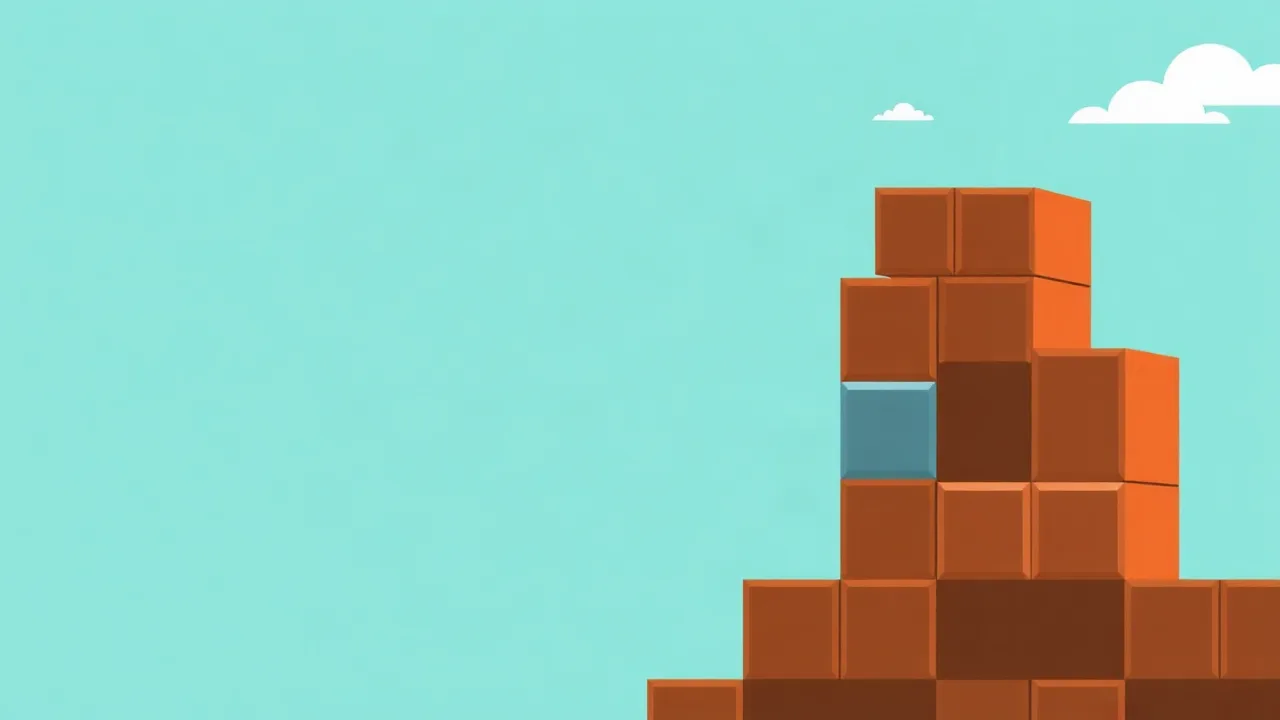
Block is a satisfying arcade game built around one of the most familiar ideas in puzzle play: stack blocks, line them up, and clear the board before the tower gets too tall. It is a quick, focused experience that rewards steady hands, good timing, and a calm approach to pressure. Whether you have five minutes or a longer stretch, this browser game fits easily into a casual gaming session.
What Is Block?
Block belongs to the arcade category and centers on a straightforward loop that is easy to pick up and hard to master. You guide falling or moving blocks into place, aiming to complete solid rows or groups so they disappear from the playfield. Each successful clear keeps the board under control, while missed placements let the stack grow closer to the top. The result is a game that feels simple at first glance but demands attention as the pace increases.
As an arcade title, Block keeps the rules light and the action immediate. There is no heavy setup and no long tutorial to sit through. You start, you understand what to do within seconds, and the challenge comes from how well you handle the increasing speed and tighter spaces. That makes it a natural fit for players who enjoy short bursts of focused gameplay.
How the Core Loop Works
The gameplay loop in Block is built around placement and clearing. Blocks arrive in the playfield, and your job is to position them so that complete lines or groups form and vanish. When a clear happens, the stack drops down and the board opens up again. When placements do not line up, the stack builds higher and your margin for error shrinks.
What makes this loop engaging is the balance between speed and precision. Move too quickly and you may drop a block into the wrong spot. Move too slowly and the stack climbs toward the top. Finding a rhythm that keeps the board clear without feeling rushed is the real skill in Block, and it is what pulls players back for another round.
| Feature | Details |
|---|---|
| Gameplay style | Arcade stacking and clearing with increasing pressure |
| Controls | Simple directional input for moving and placing blocks |
| Session pace | Quick rounds that scale from relaxed to fast-paced |
| Device fit | Works well on desktop and mobile browser sessions |
| Category match | Arcade games focused on skill and repetition |
Why the Stacking Mechanic Stays Fresh
Stacking games have endured for decades because the mechanic is endlessly variable. The same basic action can feel completely different depending on the block shapes, the speed, and the decisions you make under pressure. Block leans into that strength by keeping the playfield readable and the feedback immediate. Every clear feels earned, and every mistake is easy to understand.
The variety comes from how each round unfolds. Early placements set the foundation for later ones, so a small decision early on can open up a big opportunity later. That sense of building toward something keeps the game engaging even after many rounds. It is the kind of arcade experience where you always feel like one more try could lead to a better result.
Controls That Stay Out of the Way
One of the strengths of Block is how little the controls ask of you. Movement and placement are handled through simple inputs, which means you spend your attention on the puzzle itself rather than on learning a complex control scheme. On a keyboard, the feel is direct and responsive. On a touchscreen, the same actions translate cleanly, making it easy to play in short sessions on the go.
This accessibility is part of what makes the game approachable. New players can jump in without reading instructions, while experienced players can focus entirely on optimizing their placements. The controls support the gameplay rather than competing with it, which is exactly what you want from a well-designed arcade title.
Skills That Improve With Play
Block rewards a handful of practical skills that develop naturally over time. Pattern recognition is the big one. The more you play, the faster you spot where a block will fit and which clears are worth setting up. Spatial awareness matters too, since you need to read the shape of the stack and plan around the gaps that are forming.
Timing is the third piece. Knowing when to place a block quickly and when to wait for a better position separates a long run from a short one. None of these skills require special knowledge to start building. They come from repetition, and each round gives you a chance to sharpen them a little more.
Playing on Different Devices
Block is designed to fit naturally into browser-based games sessions, which means it runs without downloads or complicated setup. You can open it on a laptop during a break or pull it up on a phone while waiting somewhere. The playfield scales to the screen, and the controls adapt to the input method you are using.
That flexibility makes it easy to keep a casual game library in your browser. Block is the kind of title you can return to whenever you have a few spare minutes, and it works just as well in a longer sitting when you want to chase a higher score. It is a solid addition to any collection of online games that value quick access and clean design.
What Keeps Players Coming Back
The replay value in Block comes from its simplicity and its ceiling. The rules never change, so there is nothing new to learn between rounds. What changes is how well you execute. That creates a satisfying loop where improvement is visible and every session feels productive.
There is also the appeal of the arcade format itself. Short rounds, immediate feedback, and the constant pull of one more attempt make it easy to lose track of time in a good way. Block captures that feeling without demanding a big time commitment, which is why it works so well as a go-to option when you want something engaging but low-pressure.
Getting the Most Out of Each Round
A few habits can make a real difference in Block. Keep the center of the board as open as possible, since that gives you the most flexibility for future placements. Avoid building tall towers on the edges unless you have a clear plan to bring them down. And try to set up multi-line clears when the opportunity appears, since they buy you breathing room and keep the stack low.
Most importantly, stay patient when the board gets crowded. Panic placements are the fastest way to end a run. A slow, deliberate choice at the right moment often beats a rushed one, even when the clock feels like it is pressing. That calm approach is what separates a good round from a great one.
FAQ
What kind of game is Block?
Block is an arcade game focused on stacking blocks and clearing complete lines or groups from the playfield. It is quick to learn and rewards timing and spatial awareness.
Do I need to download anything to play?
No. Block runs in the browser, so you can start playing without installing software. It works on both desktop and mobile devices.
Is Block suitable for short play sessions?
Yes. Rounds are quick and self-contained, which makes it easy to play for a few minutes or settle in for a longer stretch.
What skills does the game help develop?
Block builds pattern recognition, spatial awareness, and timing. These skills grow naturally as you play more rounds.
Is Block beginner-friendly?
Absolutely. The controls are simple and the rules are easy to grasp within seconds, so new players can jump in right away.