

















Mastering the Perfect free kick Strategy
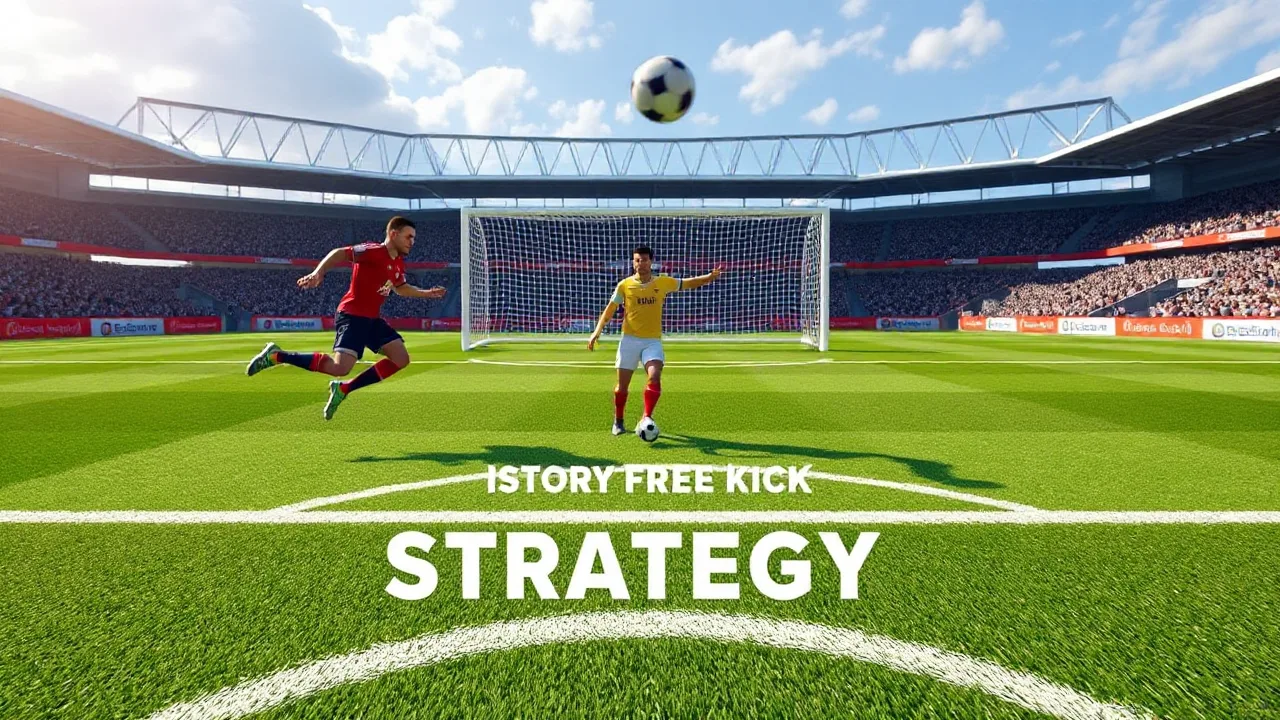
Step onto the digital pitch and prepare to test your precision with Free Kick, a compelling sports simulation that strips away the chaos of a full match to focus on the most dramatic moment in football. This game offers a pure, skill-based experience where timing, angle, and power are the only things standing between you and the back of the net. Whether you are a casual player looking for a quick challenge or a dedicated fan of set-piece mastery, this title provides an engaging loop of trial and error that is both frustrating and incredibly rewarding.
At its core, the gameplay revolves entirely around the mechanics of taking a direct shot from a stationary position. Unlike standard football simulations that require complex dribbling and passing strategies, this experience isolates the penalty of the foul. You are placed in high-pressure situations where the goalkeeper and a wall of defenders stand between you and glory. The physics engine plays a massive role here, requiring you to account for wind direction, distance from the goal, and the specific spin you apply to the ball. Mastering the curve is essential, as a flat shot is easily blocked by the defensive wall.
Essential Techniques for Curving the Ball
To truly excel, you need to understand how to manipulate the flight path of the ball. The most effective strategy involves using the "banana kick" or curve shot. By adjusting your approach angle and timing the power meter perfectly, you can bend the ball around the wall and into the top corner. It is not just about power; a shot that is too strong often flies over the crossbar, while a weak shot lacks the momentum to beat the keeper. Focus on finding the sweet spot in the power gauge and experiment with different run-up angles to see how the ball reacts to the spin.
Quick Reference Guide
| Feature | Details |
|---|---|
| Gameplay Style | Precision sports simulation focusing on set pieces |
| Primary Controls | Mouse or touch input for aiming and power meter management |
| Session Pace | Fast rounds with instant feedback on every shot |
| Device Fit | Optimized for both desktop browsers and mobile touchscreens |
| Difficulty Curve | Easy to learn basics, but mastering wind and spin takes practice |
Reading the Wind and Environmental Factors
One of the most overlooked aspects of the game is the environmental data provided before you take a shot. You will often see wind indicators or speed markers that suggest how the air currents will affect the ball's trajectory. Ignoring these is a rookie mistake. If the wind is blowing from left to right, you must aim slightly further left than usual to compensate. Similarly, longer distances require you to aim higher to account for gravity's pull over time. Paying attention to these subtle cues will significantly increase your conversion rate.
Psyching Out the Goalkeeper
The AI controlling the goalkeeper is programmed to react to your shot placement, but it has limitations. The keeper usually commits to a side once the ball is in motion. By varying your shot placement—aiming for the top left one moment and the bottom right the next—you prevent the AI from predicting your pattern. If you always aim for the same spot, the keeper will eventually save it. Consistency is key, but unpredictability is what wins matches. Try to identify the keeper's weak side, which is often the bottom corner furthest from their starting position.
Progression and Unlockable Content
As you continue to score goals and complete challenges, you will likely unlock different tiers of difficulty or cosmetic upgrades. The game rewards persistence. Advancing to harder levels often introduces faster keepers, taller walls, and more erratic wind conditions. This progression system keeps the gameplay fresh, ensuring that you are constantly adapting your strategy rather than relying on a single trick. The satisfaction of beating a high-difficulty level with a perfect top-corner shot is the ultimate payoff for your practice.
Common Mistakes to Avoid
Many players struggle because they rush their shots. The game allows you a moment to line up your aim before engaging the power meter. Taking an extra second to ensure your trajectory is clear of the wall can make the difference between a goal and a miss. Another common error is overusing the power bar. A full-power shot is rarely the answer unless you are very close to the goal. Controlled, medium-power shots often yield better accuracy and are harder for the keeper to parry away.
Frequently Asked Questions
How do I control the power of my shot?
You control power by clicking or tapping and holding the action button. The longer you hold it, the more power is applied. Watch the power meter closely and release it at the desired level to execute the shot.
Can I change the camera angle?
Most versions of the game keep the camera fixed behind the player to provide the best perspective for aiming. You must rely on your aim adjustments rather than moving the camera manually.
What is the best strategy for high winds?
When the wind is strong, reduce your power slightly to keep the ball lower and more controlled. You should also aim significantly away from the wind direction to ensure the ball drifts back toward the goal rather than over the bar.