















Burnout Drift: Mastering the Art of High-Speed Cornering
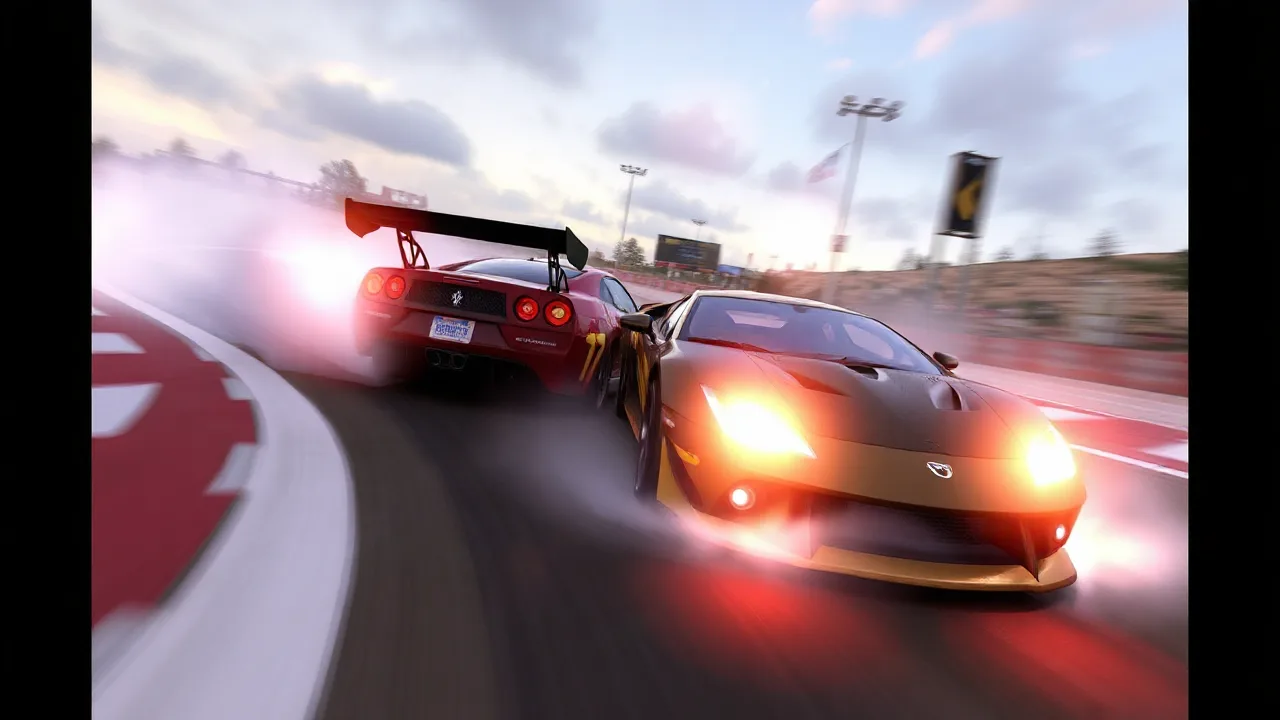
Revving engines and screeching tires define the high-octane experience of Burnout Drift, a game that challenges players to master the delicate balance between raw speed and controlled chaos. This page serves as your comprehensive guide to understanding the mechanics, strategies, and sheer excitement that await behind the virtual wheel. Whether you are a seasoned racing enthusiast or a newcomer looking for an adrenaline rush, exploring the nuances of this drifting simulator offers a rewarding experience that tests your reflexes and precision.
At its heart, the game focuses on the physics of weight transfer and friction. Unlike traditional racing titles where crossing the finish line first is the sole objective, success here is measured by your ability to maintain momentum while sliding sideways. You must learn to initiate drifts early into corners, using the throttle to keep the rear wheels spinning. Mastering the handbrake is essential for tightening your line around sharp bends, while feathering the accelerator helps you maintain the perfect angle without spinning out. The sensation of linking multiple corners together into a single, fluid chain is the ultimate test of skill.
Essential Techniques for High Scores
To truly excel, you need to look beyond simple lap times. The scoring system rewards risk-taking and style. Initiating a drift at high speed earns you more points than a slow, controlled slide. You should focus on maintaining your drift for as long as possible, even on straights, by aggressively steering back and forth—a technique known as manji. Additionally, proximity to obstacles like guardrails or other vehicles can trigger bonus multipliers. However, one mistake can end your combo instantly, so finding the sweet spot between aggression and control is key to topping the leaderboards.
Vehicle Selection and Customization
The garage offers a variety of machines, each with unique handling characteristics. Some vehicles are lightweight and twitchy, ideal for tight, technical tracks with many hairpins. Others are heavy muscle cars that carry more momentum but require earlier braking and more patience. Upgrading your car is crucial. Investing in tire grip allows for more predictable slides, while engine upgrades increase your top speed and acceleration out of corners. A balanced build is often the best approach for beginners, but as you improve, you may want to specialize your vehicle for specific track types.
Track Layouts and Environmental Hazards
The environments range from urban streets to winding mountain passes. Each track presents distinct challenges. Urban courses often feature tight 90-degree turns and traffic, requiring quick reactions. Mountain passes, on the other hand, demand long, sustained drifts through sweeping curves. Pay attention to the road surface; wet or icy patches can drastically reduce traction, causing your car to slide more than intended. Learning the layout of each course is just as important as mastering your car, as anticipating the next turn allows you to set up your drift angle perfectly in advance.
Quick Reference Guide
| Feature | Details |
|---|---|
| Gameplay Style | Arcade drifting with a focus on scoring combos and maintaining speed |
| Primary Controls | Steering, Throttle, Brake, and Handbrake for initiating slides |
| Session Pace | Fast-paced rounds requiring intense concentration and reflexes |
| Device Fit | Optimized for both desktop browsers and mobile touch screens |
| Category Match | Ideal for fans of racing, simulation, and skill-based arcade games |
Advanced Drifting Strategies
Once you have the basics down, it is time to refine your technique. Look for "clipping points"—specific spots on the inside of a corner where you should aim to get your car as close to as possible without hitting it. This maximizes your score and ensures the most efficient line through the turn. Another advanced tactic is the feint, or Scandinavian flick, where you steer away from the turn briefly before turning in, using the car's pendulum motion to snap the rear end out. This is particularly useful for initiating high-speed drifts in heavier vehicles that are otherwise difficult to rotate.
Optimizing Your Browser Experience
Since this is a browser-based experience, performance can vary depending on your hardware and settings. For the smoothest gameplay, it is recommended to close other background tabs that might consume memory. If you notice any frame rate drops during intense drifting sequences with heavy particle effects, try lowering the graphics quality in the settings menu. Ensuring a stable internet connection is also vital, as high latency can delay your inputs, making precise drifting significantly harder. Playing in full-screen mode can also help minimize distractions and improve immersion.
Frequently Asked Questions
How do I stop spinning out when I drift?
Spinning out usually happens when you apply too much throttle or steer too hard into the slide. Try to ease off the gas slightly and counter-steer more gently. Listen to the engine sound; if it is redlining, you are pushing too hard.
Can I play this on a mobile device?
Yes, the game is designed to be responsive and playable on touchscreens. You can use on-screen buttons or tilt controls, depending on your preference in the settings. A larger screen device will generally offer a better experience.
What is the best way to earn money for upgrades?
Focus on completing drift chains rather than just finishing the race quickly. The multiplier from long combos is where the big money is. Also, try to complete the daily challenges if available, as they often offer bonus credits.
Is there a way to reset the car if I crash?
Most racing games include a reset button, often mapped to the 'R' key on a keyboard. If you are stuck against a wall or facing the wrong way, use this to get back on track quickly and minimize time loss.
Does the weather change during races?
While the weather is usually fixed for a specific track session, the game does feature different tracks with varying environmental conditions. Some tracks may have permanent rain or night settings, which affect visibility and traction.